Test Post Created
Month: August 2026
-
Kazino mükafatları: oyunçular üçün ən yaxşı təkliflər
Online kazino dünyası, oyunçulara müxtəlif mükafatlar və bonuslar təqdim edərək, onların təcrübəsini daha cəlbedici etməyə çalışır. Bu mükafatlar, yeni oyunçuların kazino ilə tanış olmalarına və eyni zamanda mostbet təcrübəli oyunçuların marağını davam etdirməyə kömək edir. Bu məqalədə, mükafat növləri, onlardan necə faydalanmaq olar və kazino mükafatlarının əhəmiyyəti haqqında ətraflı məlumat verəcəyik.
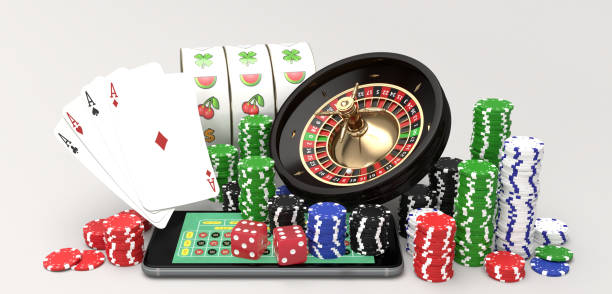
Yeni oyunçular kazino mükafatlarını necə başa düşə bilərlər
Yeni oyunçular üçün kazino mükafatları ilk başda qarışıq görünə bilər. Hər bir kazino, mükafatlarını fərqli yollarla təqdim edir, buna görə də onların şərtlərini yaxşı başa düşmək vacibdir. Mükafatlar, adətən qeydiyyatdan keçmə, ilk depozit və ya oyun zamanı toplanan xal şəklində təqdim olunur. Bu mükafatların məqsədi, oyunçuları daha çox oynamağa təşviq etməkdir.
Oyunçular, bu mükafatların nələr olduğunu, hansı şərtlərlə əldə edilə biləcəyini və hansı oyunlarda istifadə oluna biləcəyini bilmək üçün kazino saytını diqqətlə incələməlidirlər. Hər bir kazinonun öz mükafat siyasəti var, buna görə də uyğun seçim etmək üçün müxtəlif kazinolar arasında müqayisə aparmaq faydalıdır.
Kazino mükafatlarına başlamaq üçün necə
Kazino mükafatlarından yararlanmaq üçün ilk addımları atmalısınız. Aşağıda bu prosesi addım-addım izah edən bir siyahı təqdim edirik:
- Qeydiyyatdan keçin: İlk addım olaraq, sevdiyiniz kazino saytında qeydiyyatdan keçməlisiniz.
- Detallarınızı təsdiqləyin: Hesabınızı aktivləşdirmək üçün e-poçt və ya telefon nömrənizlə təsdiqləmə prosesi keçməlisiniz.
- Depozit edin: İlk depozitinizi etdikdən sonra, bonusunuzu əldə edə biləcəksiniz.
- Oyun seçin: Müxtəlif kazino oyunları arasından seçiminizi edin və mükafatınızı istifadə etməyə başlayın.
- Qazanmağa başlayın: Seçdiyiniz oyunda mükafatlardan faydalanın və şansınızı sınaqdan keçirin.
- Başlamaq üçün sadə və asan proses
- Bütün mükafatları qiymətləndirmək imkanı
- Depozit bonusları ilə daha çox oyun şansı
Kazino mükafatlarının praktiki əhəmiyyəti
Kazino mükafatları, oyunçuların casino təcrübəsini daha mənalı hala gətirir. Müxtəlif mükafat və bonuslar, oyunçulara daha çox imkanlar təqdim edir, bu da onların oyunlarda daha uzun müddət qalmasına səbəb olur. Məsələn, yeni başlayan oyunçular, qeydə alınma bonuslarından istifadə edərək, ilk oyunlarını risksiz şəkildə sınaqdan keçirə bilərlər. Bu, onların kazinoya alışmasını və daha yaxşı strategiyalar inkişaf etdirməsini təmin edir.
Digər tərəfdən, mükafatlar avans oyunçular üçün də əhəmiyyətlidir. Onlar, mükafatları daha yüksək mərclərlə oynayaraq daha böyük qazanc əldə etmək üçün istifadə edə bilərlər. Kazinoların təqdim etdiyi promosyonlar, oyunçulara əlavə xal toplamaq, xüsusi oyunlara daxil olmaq və ya eksklüziv turnirlərdə iştirak etmək kimi imkanlar təqdim edir.
- Mükafatlar oyunçulara daha uzun müddət oynama imkanı verir
- Yenilikçi oyunlarda sınaq keçirilir
- Strategiyaların inkişafına kömək edir
Əsas faydalar
Kazino mükafatları yalnız bir oyunçı üçün deyil, bütün kazinonun cəlbediciliyini artırır. Mükafatlar, yeni oyunçuların kazino ilə tanış olmalarına, eyni zamanda təcrübəli oyunçuların oyunlardan daha çox həzz almalarına kömək edir. Kazinolar, mükafatları ilə oyunçuları qazanmağa həvəsləndirir, bu da daha çox iştirak nəticəsində daha çox gəlir gətirir.
- Yeni oyunçular üçün risksiz tanışlıq
- Bonuslar vasitəsilə daha çox qazanc əldə etmək imkanı
- Oyunlar arasındakı rəqabəti artırır
- Üstün mükafat proqramları ilə müştəri məmnuniyyətini artırır
Etibar və təhlükəsizlik
Onlayn kazinoların mükafatları həm də oyunçuların etibarını artırır. Etibarlı kazinolar, mükafatlarını ədalətli şərtlərlə təqdim edirlər və bu, oyunçuların daha etibarlı oynamağı seçmələrini təmin edir. Oyunçular, kazino mükafatları ilə bağlı şərtləri diqqətlə oxuyaraq, gözlənilməz vəziyyətlərin qarşısını ala bilərlər.
Bundan əlavə, mükafatlar oyunçuların kazino təhlükəsizliyinə inamını artırır. Etibarlı mükafat proqramları, kazinonun ərizə və ödəniş proseslərini daha şəffaf şəkildə aparmasına kömək edir, bu da təhlükəsiz bir oyun mühiti yaradır.

Niyə kazino mükafatlarını seçmək lazımdır?
Kazino mükafatları, onlayn oyun təcrübənizi daha da cəlbedici edə bilər. Bu mükafatlar, oyunçulara daha çox şans təqdim edir və kazinoların müxtəlif oyunlarını az qala risksiz oynamağa imkan tanıyır. Mükafatlar, yalnız qazanc əldə etmə imkanını artırmır, həm də oyunçulara kazinoların təqdim etdiyi müstəqil oyunları sınaqdan keçirmək imkanı verir.
Beləliklə, kazino mükafatlarını seçərək, daha çox fayda əldə etmək, yeni oyunlar sınaqdan keçirmək və eyni zamanda şansınızı sınamaq imkanı qazana bilərsiniz. Mükafatları düzgün şəkildə dəyərləndirərək, kazino təcrübənizi daha da zənginləşdirə bilərsiniz.
-
All about goksites nederland
Goksites Nederland: Ontdek de Beste Online Casino’s
Wat zijn goksites Nederland?
Goksites Nederland zijn online platforms waar spelers kunnen genieten van verschillende casinospellen, van slots tot tafelspellen. Deze sites bieden een veilige en gereguleerde omgeving voor zowel nieuwkomers als ervaren gokkers. De populariteit van online gokken is de laatste jaren enorm toegenomen, wat leidt tot een groeiend aanbod aan goksites in Nederland.
Hoe kies je de juiste goksite?
Bij het selecteren van een goksite zijn er verschillende factoren om te overwegen. Veiligheid en vergunning zijn cruciaal; zorg ervoor dat de site een Nederlandse vergunning heeft en gebruik maakt van versleutelingstechnologie om persoonlijke informatie te beschermen. Daarnaast is het aanbod van spellen, klantervaringen en bonussen ook van groot belang.
Populaire spellen op goksites Nederland
Een van de grootste aantrekkingskrachten van goksites Nederland is het gevarieerde aanbod van spellen. Van innovatieve videoslots tot klassieke tafelspellen zoals blackjack en roulette, spelers hebben talloze opties. Voor wie op zoek is naar een live ervaring, bieden veel sites ook live dealer spellen aan, waar je in real-time kunt spelen tegen een echte dealer. Een goed voorbeeld van zo’n goksite is AmonBet casino, bekend om zijn uitgebreide selectie van spellen en gebruiksvriendelijke interface.
De voordelen van online gokken
Online gokken biedt verscheidene voordelen ten opzichte van traditionele casino’s. Ten eerste is het gemak een belangrijke factor; spelers kunnen op elk moment en vanaf elke locatie toegang krijgen tot hun favoriete spellen. Daarnaast zijn er vaak betere bonussen en promoties beschikbaar op online platforms, waardoor spelers meer waar voor hun geld krijgen. Tot slot zijn online goksites toegankelijk voor een breder publiek, inclusief mensen die misschien niet de mogelijkheid hebben om fysieke casino’s te bezoeken.
-
Understanding Digital Assets Beyond Bitcoin
The Ultimate Guide to Crypto Investing in 2025

Cryptocurrency has evolved from a niche digital experiment into a transformative force in global finance, offering decentralized, borderless transactions powered by blockchain technology. As institutional adoption accelerates and regulatory frameworks mature, digital assets are reshaping how we perceive value, ownership, and trust in the internet age. Understanding this dynamic ecosystem is now essential for investors, innovators, and everyday users navigating the future of money.

Understanding Digital Assets Beyond Bitcoin
Digital assets extend far beyond Bitcoin, encompassing tokenized real estate, fractional art ownership, and programmable loyalty ecosystems that redefine value exchange. While Bitcoin established decentralized currency, the true revolution lies in blockchain’s ability to authenticate, divide, and transfer any asset with cryptographic certainty. Enterprise blockchain adoption now powers supply chain provenance, carbon credits, and intellectual property royalties, while security tokens offer regulated, income-generating positions in private equity. These instruments thrive on smart contracts—self-executing agreements that eliminate intermediaries and reduce settlement time from days to seconds. Institutional-grade digital asset custody and compliance frameworks have matured, attracting pension funds and Fortune 500 treasuries. The shift is not about speculation but about infrastructure: every industry from healthcare to media is minting utility tokens that carry real-world rights.
Ignore the noise of memecoins; the lasting wealth is built on tokenizing everything you already own and trade.
Adopt this lens, and you see digital assets as the inevitable backend of a tokenized economy—more transparent, liquid, and accessible than any legacy system.
Why the Market Shifted from a Single Currency to a Multi-Chain Ecosystem
Digital assets extend far beyond Bitcoin, encompassing tokenized real estate, NFTs, and utility tokens that power decentralized applications. While Bitcoin remains the pioneer store of value, the broader ecosystem now includes enterprise blockchain solutions that streamline supply chains, verify digital identity, and automate contracts through smart protocols. These assets derive worth from utility—like governance rights or fractional ownership—rather than speculative hype. For example, stablecoins peg to fiat for seamless cross-border payments, while security tokens represent shares in traditional companies. To navigate this space, consider:
- Use case: Does the asset solve a real problem?
- Liquidity: Can you trade it on reputable exchanges?
- Regulation: Is it compliant with local securities laws?
Q: Are all non-Bitcoin assets risky? A: No—many offer transparent cash flows and audit trails, but volatility varies widely by project maturity.
Key Differences Between Coins, Tokens, and Stable Value Instruments
Digital assets extend far beyond Bitcoin, encompassing tokenized securities, stablecoins, and utility tokens that serve distinct economic functions. While Bitcoin pioneered decentralized value transfer, enterprise blockchain solutions now digitize real-world assets like real estate, art, and invoices, unlocking liquidity and fractional ownership. For investors and businesses, the critical shift is understanding that these tokens represent programmable ownership—smart contracts automate compliance, dividends, and settlement without intermediaries. Institutional-grade digital asset management requires evaluating regulatory clarity, custody solutions, and underlying protocol risk, not just price speculation. Key categories to monitor include:
- Security tokens (regulated, income-generating)
- Asset-backed stablecoins (collateralized, low volatility)
- Utility tokens (network access, governance rights)
Diversifying across these classes reduces exposure to Bitcoin’s volatility while capturing blockchain’s efficiency gains. Always audit the issuer’s legal framework and audit trail before allocating capital.
How Blockchain Technology Powers Modern Finance
Blockchain technology underpins modern finance by providing a decentralized, immutable ledger that eliminates the need for trusted intermediaries in transactions. This distributed architecture enables real-time settlement of cross-border payments, reducing processing times from days to seconds while cutting operational costs significantly. Smart contracts—self-executing agreements coded on the blockchain—automate complex processes like trade finance, derivatives clearing, and bond coupon payments, minimizing human error and counterparty risk. Blockchain-based digital assets, including central bank digital currencies (CBDCs) and tokenized securities, are now being integrated into traditional banking infrastructure, allowing for fractional ownership and enhanced liquidity. Furthermore, transparent audit trails improve regulatory compliance and anti-money laundering efforts, as every transaction is permanently recorded and verifiable. While scalability and energy concerns persist, the ongoing shift toward permissioned and layer-2 solutions positions blockchain as a foundational layer for financial infrastructure, bridging legacy systems with the demands of a digital, 24/7 global economy. Its adoption promises greater inclusivity and resilience across the sector.
The Role of Distributed Ledgers in Transaction Transparency
Blockchain technology is the invisible engine driving modern finance toward unprecedented efficiency and transparency. By replacing legacy intermediaries with a decentralized, tamper-proof ledger, it enables instant settlement, lower transaction costs, and real-time auditability across borders. Blockchain-based smart contracts automate complex processes like bond issuance, trade finance, and syndicated loans, cutting days of paperwork down to minutes. Additionally, tokenized assets—from real estate to equities—unlock fractional ownership, democratizing access to markets once reserved for institutions. The same infrastructure underpins stablecoins, which now handle billions in daily cross-border payments, bypassing slow correspondent banking networks. Whether it’s clearing, custody, or compliance, blockchain makes every operation more resilient and verifiable. In essence, this technology doesn’t just support finance—it redefines how value moves in the digital age, delivering a trustless foundation for the next generation of global capital markets.
Smart Contracts and Their Impact on Automated Agreements
Blockchain technology powers modern finance by replacing slow, opaque intermediaries with a transparent, tamper-proof digital ledger. This shift enables **real-time settlement of digital assets**, cutting transaction times from days to seconds while slashing costs. Smart contracts—self-executing code—automate everything from bond coupon payments to syndicated loans, reducing human error and reconciliation overhead. Decentralized finance (DeFi) protocols now offer lending, staking, and trading without traditional banks, while tokenized securities bring fractional ownership to global investors. The result is a more accessible, auditable, and resilient financial system—one where programmable money moves autonomously and trust is mathematically enforced. Institutions embracing this infrastructure gain a competitive edge in speed, security, and customer reach, making blockchain not just an experiment but the backbone of next-generation capital markets.

Scalability Challenges and the Race for Faster Networks
Blockchain technology is quietly rewriting the rules of modern finance, moving beyond just crypto hype into the core of how money moves. At its heart, it’s a shared, tamper-proof digital ledger that lets parties transact directly—no slow banks, no middlemen taking a cut. That means **real-time settlement and lower costs** for everything from cross-border payments to trade finance. Instead of waiting days for a wire transfer, a blockchain transaction can clear in seconds, 24/7. Smart contracts add another layer, automatically executing agreements (like releasing funds when goods arrive) without needing a lawyer or notary. For everyday users, this translates to more control over assets and faster, cheaper remittances. For institutions, it offers transparency and reduced fraud risk, since every transaction is permanently recorded and verifiable by all participants. It’s not magic—it’s just a more efficient, trustless way to handle value.
- Speed: Transactions settle in minutes, not days.
- Cost: Cuts out intermediary fees.
- Security: Cryptographic immutability deters tampering.
Q: Do I need to understand code to benefit?
A: Nope. You just use apps built on it—like digital wallets or investment platforms—the same way you’d use a banking app.Navigating the Investment Landscape of Decentralized Finance
Navigating the investment landscape of Decentralized Finance demands a strategic blend of rigorous research and calculated risk tolerance. While the sector offers unprecedented yield opportunities and disintermediated access to global markets, it also presents unique challenges, including smart contract vulnerabilities and protocol volatility. To thrive, investors must prioritize blockchain security audits and diversify across established lending platforms, liquidity pools, and emerging derivatives. Moreover, aligning with projects that demonstrate transparent governance and sustainable tokenomics is paramount for long-term value appreciation. The decentralized ecosystem rewards those who actively monitor on-chain metrics and adapt to rapid structural shifts. Ultimately, embracing this frontier requires conviction, but the potential for outsized returns and financial sovereignty makes it an indispensable allocation for forward-thinking portfolios. Seize the advantage by staying informed and decisive in this dynamic arena.
Evaluating Project Fundamentals Instead of Following Hype
The first time I crossed into DeFi, it felt like stepping into a bustling, neon-lit bazaar where every stall promised yield. Yet, beneath the glitter, the real art lies in reading the undercurrents—liquidity pools, smart contract audits, and governance tokens that shift like sand. DeFi risk management strategies become your compass, separating fleeting hype from durable protocols. I learned to scrutinize total value locked (TVL) not as a trophy, but as a pulse—healthy growth is steady, while spikes often signal a rug pull waiting to happen. The journey demands humility: start with a small position in a blue-chip protocol like Aave, then branch out only after stress-testing for impermanent loss and oracle failures. Ultimately, the landscape rewards the patient cartographer, not the frantic trader. Map your exits before you enter, and let time—not FOMO—compound your edge.
Risk Management Strategies for Volatile Asset Portfolios
Stepping into decentralized finance feels like entering a bustling, borderless marketplace where code replaces contracts and liquidity pools hum around the clock. Unlike traditional banks, DeFi protocols offer instant lending, yield farming, and trading—but with that freedom comes volatility, smart-contract risks, and impermanent loss. To navigate this terrain, you must first audit tokenomics, check audit reports, and start with small positions. Diversify across stablecoin pools and blue-chip protocols, while keeping a hardware wallet for long-term holdings. Every yield is a trade-off between reward and fragility, so ask what you’re actually funding. The key is treating DeFi as an experimental sandbox, not a get-rich-quick vault. Decentralized finance investment strategies require rigorous due diligence and a clear exit plan before the next market swing arrives.
Staking, Yield Farming, and Passive Income Opportunities Explained
The first time I dipped into DeFi, it felt like stepping into a bustling, neon-lit bazaar where every stall promised impossible yields. I quickly learned that navigating this landscape demands more than just a wallet; it requires a map drawn with risk assessments and a compass calibrated for volatility. The key is to treat every smart contract as a potential minefield, not a treasure chest. The future of finance is being written in code, but your capital is your ink. To survive, I adopted a simple ritual: I never invested in a protocol whose tokenomics I couldn’t explain to a friend over coffee.
- Audit the audits—check for third-party reviews and bug bounties.
- Start with stablecoin lending, not exotic yield farming.
- Always keep a portion of your portfolio in cold storage.
Slowly, the chaos became a rhythm, and I realized that true DeFi security isn’t about chasing the next 1000% APY—it’s about compounding small, verified wins while respecting the unknowable risks that lurk in the liquidity pools.
Regulatory Trends Shaping the Future of Virtual Money
Regulatory frameworks for virtual money are rapidly evolving from fragmented, reactive measures toward cohesive, risk-based structures. Key jurisdictions are converging on anti-money laundering (AML) and know-your-customer (KYC) standards, while simultaneously developing bespoke licensing regimes for stablecoin issuers and crypto-asset service providers. The Markets in Crypto-Assets (MiCA) regulation in Europe sets a global benchmark, prompting other regions to craft similar comprehensive rules. Concurrently, authorities are scrutinizing decentralized finance (DeFi) and algorithmic stablecoins, seeking to apply traditional financial safeguards without stifling innovation. Cross-border coordination through bodies like the Financial Action Task Force (FATF) is intensifying, focusing on the “travel rule” and unhosted wallets. This shift towards regulatory harmonization aims to reduce arbitrage opportunities, yet it also introduces compliance burdens that may disproportionately affect smaller players. The direction is clear: legitimacy through oversight, but at a measured pace.
Stablecoin oversight now hinges on reserve audits and redemption rights, not just issuance limits.
Ultimately, the trajectory points to a future where virtual money operates within defined legal perimeters, prioritizing consumer protection and financial system stability over experimental autonomy.
How Global Governments Are Approaching Taxation and Compliance
Regulatory trends are rapidly consolidating around a single, non-negotiable principle: **compliance-by-design for virtual assets**. Expect global convergence on the FATF’s Travel Rule, mandating real-time identity sharing between custodians, while MiCA in Europe sets a licensing benchmark that will likely influence U.S. and Asian frameworks. The clear shift is toward treating stablecoins as regulated payment instruments, not utility tokens. Proactively, firms must now embed transaction monitoring and sanctions screening directly into smart contracts, not as an afterthought. The practical advice: prioritize jurisdictional arbitrage is dead; instead, build a single, portable compliance layer that can adapt to evolving capital and operational resilience rules.
The Push for Consumer Protection in Unregulated Exchanges
Regulatory trends are rapidly reshaping how virtual money works, with a clear push toward stricter oversight and consumer protection. Right now, the biggest shift is the global move to treat stablecoins like traditional payment systems, meaning issuers must hold real reserves and follow anti-money laundering rules. You’ll also see jurisdictions experimenting with central bank digital currencies (CBDCs) to keep public money relevant, while crypto exchanges face licensing hurdles and travel rule compliance. The future of digital currency regulation hinges on balancing innovation with systemic safety. This means more transparency around token listings, clearer tax guidance for users, and cross-border cooperation to stop arbitrage. For everyday holders, expect simpler rules around wallets and transfers, but also more reporting requirements. The vibe is less “wild west” and more “checklist,” which could actually boost trust and mainstream adoption over time.
Institutional Adoption and Its Effect on Market Maturity
Regulatory frameworks are rapidly evolving from reactive oversight to proactive, global rulemaking, fundamentally reshaping how virtual money operates. Governments now prioritize consumer protection, anti-money laundering (AML), and financial stability, pushing stablecoins and decentralized finance (DeFi) under clearer licensing umbrellas. The EU’s MiCA and emerging US state-level frameworks signal a shift toward harmonized compliance, while cross-border data-sharing and travel-rule enforcement tighten transparency. Future-proof compliance architectures will be the deciding factor for which platforms survive. Meanwhile, central bank digital currencies (CBDCs) are blurring the line between public and private money, forcing crypto firms to interoperate with state-issued ledgers. The race is no longer about innovation alone, but about navigating a patchwork of rules with agility. Expect tougher stress-testing for algorithmic tokens and mandatory reserve audits. Smaller players may consolidate, while institutional entrants leverage regulatory clarity to dominate. Ultimately, these trends will professionalize the sector, reducing volatility-driven chaos but demanding higher operational rigor from every market participant.
Practical Steps for Secure Storage and Daily Usage
To secure your digital life, begin by enabling full-disk encryption on every device, using tools like BitLocker or FileVault, and pair this with a unique, complex passphrase—never reuse credentials across platforms. For daily usage, store critical files in an encrypted vault or a reputable cloud service with zero-knowledge architecture, while keeping a physical backup (like an SSD) in a fireproof safe. Adopt a password manager to generate and autofill randomized passwords, and activate two-factor authentication on every financial and email account. Routinely update software, audit app permissions, and avoid public Wi-Fi without a VPN.
Your security posture is only as strong as the weakest habit you repeat daily.
Finally, purge unused accounts and encrypt your smartphone’s SD card, as device loss remains the top leak vector. These layered steps transform storage from passive risk into active defense.
Choosing Between Hot Wallets and Cold Storage Solutions
For secure storage, prioritize hardware-backed encryption—enable BitLocker (Windows) or FileVault (macOS) on all drives, and store critical backups in an encrypted vault like VeraCrypt before syncing to cloud services. Daily usage demands a layered routine: use a password manager with unique, 256-bit random credentials, and activate two-factor authentication via an authenticator app, not SMS. Physically, keep devices in a locked drawer or a Faraday bag when traveling, and never leave laptops visible in vehicles. Regularly update OS and firmware, and perform a monthly restore test from your offline backup—a drive kept disconnected except during backups. Threat modeling your own habits trumps any single tool. Avoid public Wi-Fi for banking; if forced, use a reputable VPN with kill-switch. Wipe old drives using DBAN or a secure erase command.
An encrypted backup you cannot restore is just a digital paperweight—test your recovery quarterly.
Finally, use separate user accounts on shared computers, and set screens to auto-lock after two minutes of inactivity.
Recognizing Scams, Phishing Attempts, and Ponzi Schemes
For everyday handling, treat your hardware wallet like cash, not a museum piece—keep it in a fireproof safe or a hidden spot you’ll actually remember. Enable a strong PIN and always verify addresses on the device screen before confirming transactions. For backups, write down your 24-word seed phrase on metal plates, split them across two secure locations, and never photograph or type them into any connected device. Use a dedicated, offline computer for firmware updates, and only download official apps from the manufacturer’s site. If someone ever asks for your seed phrase, assume it’s a scam, no matter how official they sound. Rehearse a simple daily rhythm: check balances via a read-only wallet, sign only what you fully review, and keep larger holdings cold while using a small “spending” wallet with minimal funds. This balance keeps you secure without turning every transaction into a stressful ritual.
Integrating Digital Payments into E-Commerce and Remittances
For secure storage, always encrypt sensitive data at rest using tools like BitLocker or FileVault, and maintain offline backups on encrypted external drives or a hardware wallet for critical assets. During daily usage, enable full-disk encryption, use a reputable password manager to generate unique credentials, and activate two-factor authentication (2FA) where available. Minimize exposure to phishing risks by verifying URLs before entering credentials and avoiding public Wi-Fi without a VPN. For physical media, store devices in a locked drawer or safe, and periodically audit permissions on cloud accounts to revoke unused apps. Keep software updated automatically, and perform monthly restoration tests to confirm backup integrity.
Emerging Trends: NFTs, Metaverse Tokens, and Web3 Utility
The digital asset landscape is undergoing a profound transformation, moving far beyond speculative trading into a realm of tangible, persistent utility. The most significant shift is the evolution of NFTs from static profile pictures into dynamic, functional assets that unlock real-world access and experiences. Simultaneously, metaverse tokens are solidifying their role as the economic backbone of virtual worlds, facilitating true digital land ownership, governance, and a creator economy that rewards participation. Crucially, the rise of Web3 utility is bridging the gap between blockchain and everyday life, enabling seamless identity verification, decentralized finance integrations, and cross-platform loyalty rewards. This convergence is not a fleeting trend but a foundational upgrade to the internet itself. By embracing these technologies, businesses and individuals are positioning themselves at the forefront of a decentralized future, where digital value is not just collected but actively used to enhance our physical and virtual realities. For forward-thinking investors, the opportunity lies in backing platforms that prioritize real-world application over hype.
Beyond Collectibles: Real-World Applications of Non-Fungible Assets
The digital asset landscape is rapidly shifting beyond static collectibles, melding digital ownership with immersive utility. The convergence of NFTs and the metaverse represents a new frontier for digital value, where virtual land, avatars, and in-game items are becoming tradable assets with real-world economic weight. Metaverse tokens are evolving into the native currencies for these expansive virtual worlds, powering everything from social interactions to complex decentralized economies. Simultaneously, Web3 utility is redefining the purpose of these tokens, moving from speculative trading to functional governance, staking rewards, and exclusive community access. This evolution creates a dynamic ecosystem where participation is rewarded, and digital identities are as valuable as physical ones. The future is not just about owning digital art—it’s about building and monetizing persistent, interactive experiences that blur the line between the physical and virtual realms.
Virtual Land, Gaming Economies, and Digital Identity
The crypto scene is shifting fast, and it’s no longer just about pixelated punks or jpegs of bored apes. Right now, the focus is on real-world utility for digital assets, where NFTs double as event tickets, loyalty cards, or access passes to exclusive communities. Metaverse tokens are evolving beyond virtual land flips into actual in-game economies where you earn while you play, and those earnings can spill into real life. Meanwhile, Web3 utility is about making everything interoperable—think one identity that works across games, social platforms, and marketplaces.
- Dynamic NFTs: They change based on real-world data (weather, scores, or user milestones).
- Metaverse crossovers: Brands like Nike and Gucci are selling digital wearables that you can also redeem for physical items.
- Gasless transactions: New chains and layer-2s make micro-transactions practical for tipping or in-game purchases.
Q: Is this just hype?
A: Some is, but the pattern is clear—projects that survive are the ones offering actual perks or saving users money, not just collectibles.Interoperability Between Different Blockchain Ecosystems
NFTs are no longer just profile pictures—they’re evolving into access keys, membership passes, and in-game assets. Metaverse tokens like MANA and SAND are shifting from speculative bets to actual currency for virtual land, events, and social experiences. The real game-changer, though, is **Web3 utility bridging digital ownership with real-world perks**, like concert tickets that double as loyalty rewards or virtual wearables usable across multiple platforms. Projects now focus on “useful” NFTs that unlock staking, governance, or exclusive content, while metaverse ecosystems test cross-chain interoperability. Expect more brands to launch token-gated communities where holding a coin or NFT grants early access or physical discounts. The hype is cooling, but the foundation is getting stronger—utility is what turns buzzwords into habits.
Environmental Concerns and the Move Toward Sustainable Consensus
Environmental degradation has evolved from a distant scientific worry into an urgent global reality, with rising temperatures, plastic-choked oceans, and biodiversity collapse demanding immediate action. This mounting crisis has catalyzed a remarkable shift, as governments, corporations, and citizens move toward a sustainable consensus that prioritizes long-term planetary health over short-term profit. Once bitterly divided on climate policy, nations now increasingly align on frameworks like the Paris Agreement, while industries race to adopt circular economies and renewable energy infrastructures. Crucially, this consensus is no longer driven solely by ethics; it is powered by hard economics, as clean tech becomes cheaper and climate disasters rack up staggering costs. The green transition now fuels innovation, job creation, and geopolitical stability, making sustainability a shared benchmark for progress. This dynamic convergence of moral urgency and market pragmatism is forging a resilient path forward, proving that ecological stewardship and economic vitality are not rivals but essential partners in securing our collective future.
Proof-of-Work vs. Proof-of-Stake: Energy Consumption Debates
Environmental degradation now poses an existential threat, yet the global shift toward a sustainable consensus is no longer optional—it is an economic and moral imperative. From rising sea levels to biodiversity collapse, the evidence demands immediate, unified action. The sustainable development goals anchor this transition, pushing industries and governments to align profit with planetary health. Key pillars of this consensus include decarbonizing energy grids, adopting circular production models, https://cryptovantage.com and enforcing stricter emissions regulations. These measures are not sacrifices but investments in long-term resilience, driving innovation and job creation. The momentum is irreversible: investors are divesting from fossil fuels, consumers demand transparency, and policy makers are legislating green recovery packages. The path forward is clear—cooperation, not compromise, ensures our shared future.
Q&A:
*Q: Why is sustainable consensus critical now?*
A: Because delayed action multiplies costs—both ecological and financial—while coordinated policies unlock scalable solutions.Carbon Credits and Green Mining Initiatives
Rising global temperatures, biodiversity loss, and plastic pollution have intensified scrutiny of industrial practices, prompting a shift from fragmented eco-initiatives toward a unified sustainable consensus. This consensus prioritizes circular economies, renewable energy transitions, and stricter emission caps, yet implementation remains uneven due to economic disparities and geopolitical tensions. Sustainable development goals now anchor corporate reporting and national policy frameworks, but trade-offs persist between short-term growth and long-term resilience. Key pressure points include agricultural water use, fast-fashion waste, and carbon-intensive supply chains. While voluntary pledges have multiplied, measurable progress still hinges on binding treaties, carbon pricing mechanisms, and transparent life-cycle assessments. The emerging consensus is less about ideological alignment than about pragmatic risk management—recognizing that ecological stability underpins financial and social systems. Divergence remains over technology-led versus degrowth approaches, but the shared acknowledgment of planetary boundaries has made sustainability a baseline condition for investment and governance, not an optional add-on.
How Layer-2 Solutions Reduce Network Load and Emissions

Environmental degradation—from climate volatility to biodiversity collapse—now demands urgent, unified action. The prevailing scientific consensus is unequivocal: our linear “take-make-dispose” model is obsolete, and the transition to a circular, regenerative economy is no longer optional but inevitable. Businesses, governments, and civil society are converging on sustainable consensus, prioritizing renewable energy, carbon-neutral supply chains, and nature-based solutions. This shift is not a compromise but a strategic imperative for long-term prosperity. Key drivers include:

- Policy mandates like the Paris Agreement and EU Green Deal
- Investor pressure for ESG compliance and climate-risk disclosure
- Consumer demand for transparent, low-impact products
Resistance is futile; the competitive advantage now belongs to early adopters who embed sustainable development goals into core strategy, securing resilience and market leadership in a resource-constrained world.
Analyzing Market Cycles and Timing Your Entry Points

Every seasoned investor knows the market doesn’t move in straight lines—it breathes in waves of fear and greed. I learned this the hard way during my first crash, watching my portfolio sink because I bought at the peak of euphoria. The trick isn’t predicting the future; it’s reading the rhythm. Bull markets stretch long and slow, while bear markets snap back violently, and sideways chop tests your patience. To time your entry, watch for volume confirmation after a breakout, or wait for a retest of a broken resistance level as new support. Combining this with moving averages and sentiment extremes lets you buy when others hesitate. Remember, you don’t need the perfect bottom—just a favorable risk-to-reward zone. Patience turns market noise into your edge.
Q: How do I know if a pullback is a buying opportunity or a reversal?
A: Check the higher timeframe trend—if it’s still up, and the pullback holds above a key moving average (like the 50-day) with shrinking selling volume, it’s likely a dip to buy. A reversal, however, breaks structure and shows expanding downside volume.Historical Patterns of Bull Runs and Correction Phases
Timing the market isn’t about guessing—it’s about reading the rhythm of fear and greed. Market cycles move through accumulation, markup, distribution, and markdown, and your job is to spot where we are in that loop before committing capital. Instead of chasing green candles, wait for volume confirmation or a higher low on the daily chart, which often signals a reversal worth respecting. Mastering swing trading psychology matters more than any indicator, because patience beats prediction when volatility spikes. A simple framework keeps you honest:
- Identify the phase (trending, ranging, or reversing).
- Set alert levels near support/resistance with volume.
- Enter in thirds—never all at once.
That way, if the cycle shifts, you’re not stuck at the top. Keep your stop tight and your targets realistic, and let the market’s own momentum tell you when to act—not your FOMO.
On-Chain Metrics That Signal Buying or Selling Pressure
Mastering market cycles requires distinguishing between primary trends and short-term noise, which is the foundation of strategic entry planning. Identify the four phases—accumulation, markup, distribution, and markdown—and use volume analysis to confirm transitions, especially when price breaks a consolidation range with rising participation. Effective timing hinges on confluence between technical signals and macro liquidity conditions, not isolated indicators. Track leading indicators like the yield curve or credit spreads, then overlay momentum oscillators (RSI, MACD) to pinpoint exhaustion points. Avoid catching falling knives; instead, wait for higher lows on weekly charts after a capitulation spike.
Patience in waiting for your setup is worth more than any predictive model—the market rewards disciplined timing, not constant action.
Use a checklist before each trade: trend alignment, volume confirmation, risk-reward ratio above 3:1, and a defined invalidation level.
- Accumulation: look for low volatility and insider buying
- Markup: enter on pullbacks to the 20 or 50 EMA
- Distribution: reduce exposure when breadth diverges
- Markdown: avoid longs until a reversal pattern completes
Ultimately, your edge comes from pre-defined rules that remove emotion, ensuring you enter only when probability and asymmetry favor you.
Sentiment Analysis and Its Limitations in Predicting Prices
Mastering market cycles requires distinguishing between primary trends, secondary corrections, and minor fluctuations—each demanding a distinct tactical response. Timing your entry points hinges on confluence, not prediction; wait for price action to align with volume, momentum oscillators, and key support/resistance levels before committing capital. Strategic entry timing reduces emotional trading and improves risk-reward ratios. Instead of chasing breakouts, observe consolidation phases and accumulation patterns, then enter on confirmation (e.g., a close above a pivot high) rather than anticipation. Scale in gradually when the cycle shows early reversal signals, and always define invalidation levels—if the thesis breaks, exit without hesitation. Remember, the best entries often feel uncomfortable because they occur against prevailing sentiment, but disciplined cycle analysis turns that discomfort into your statistical edge. The goal is not perfect tops or bottoms, but consistently favorable probabilities across multiple market phases. A simple table helps frame this:
Cycle Phase Entry Signal Risk Control Accumulation Volume dry-up + higher lows Tight stop below range low Markup Retest of breakout level Trail stop with 2× ATR Distribution Lower highs on declining momentum Avoid new longs; take profits Markdown No entries until reversal structure forms Stay in cash or short with strict limits Building a Diversified Portfolio with Liquid Digital Assets
Building a diversified portfolio with liquid digital assets requires a strategic blend of stability, growth potential, and accessibility. By allocating across established cryptocurrencies, tokenized real-world assets, and high-liquidity altcoins, investors can capture upside while mitigating volatility through uncorrelated positions. Liquid digital assets offer the unique advantage of rapid rebalancing, enabling you to respond to market shifts without the friction of traditional lock-up periods. This approach is not about chasing speculation but about constructing a resilient framework where cash-flowing tokens, staking rewards, and stablecoin reserves work in tandem. Prioritize assets with deep order books and active market making to ensure seamless entry and exit. Strategic asset allocation in this space transforms raw volatility into a manageable, growth-oriented risk profile. The key is discipline: maintain a clear ratio between defensive holdings and high-beta plays, and you turn liquidity itself into a compounding tool for long-term wealth.
Correlation Between Major Tokens and Traditional Markets
Building a diversified portfolio with liquid digital assets requires a strategic balance between established cryptocurrencies and emerging opportunities. By allocating across major coins, utility tokens, and stable assets, you reduce single-asset volatility while capturing growth from different sectors of the blockchain economy. **Diversification with digital assets also enhances risk-adjusted returns over time.** Prioritize assets with high trading volume and robust market depth to ensure you can enter or exit positions without significant slippage. A practical framework includes:
- Core holdings in Bitcoin and Ethereum for stability and network effect.
- Satellite positions in mid-cap altcoins with clear use cases and active development.
- A liquidity buffer in stablecoins to seize dips or rebalance quickly.
This structure lets you stay agile, avoid emotional decisions, and compound gains while keeping your portfolio resilient to market cycles. Start small, review quarterly, and let data—not hype—drive your allocations.
Allocating a Small Percentage to High-Risk, High-Reward Ventures
Building a diversified portfolio with liquid digital assets requires balancing established cryptocurrencies like Bitcoin and Ethereum with selective exposure to high-potential altcoins. The core principle is maintaining **strategic asset allocation** to manage volatility while capturing growth across different blockchain sectors. Liquidity ensures you can rebalance efficiently without excessive slippage, especially during market swings. A disciplined approach involves weighting assets by market cap, use case, and trading volume, while keeping a stablecoin reserve for opportunistic entries. Avoid overconcentration in any single token, as correlation often spikes during downturns. Consider allocating a small portion to emerging DeFi or infrastructure projects, but only after rigorous due diligence. Regularly review your holdings to prune underperformers and lock in gains, since digital asset cycles shift rapidly. Ultimately, a liquid, diversified portfolio is your best defense against idiosyncratic risk while staying agile enough to capitalize on structural trends.
Rebalancing Strategies for Long-Term Wealth Preservation
Building a diversified portfolio with liquid digital assets requires balancing established cryptocurrencies, such as Bitcoin and Ether, with smaller altcoins that offer higher growth potential but also greater volatility. The core principle is to allocate capital across different sectors—including smart contract platforms, privacy coins, and decentralized finance tokens—to reduce idiosyncratic risk. Strategic asset allocation is essential for managing volatility while capturing upside in this emerging market. A practical approach involves setting a fixed percentage for large-cap assets, a smaller portion for mid-cap projects, and a minimal allocation to speculative tokens, periodically rebalancing to maintain target weights. Liquidity is critical, so favor assets with deep order books and high daily trading volumes, avoiding illiquid tokens that can suffer from slippage. Consider holding a cash reserve or stablecoins to take advantage of market dips without being forced to sell at a loss. This methodical framework helps investors participate in digital asset growth while mitigating extreme price swings.
The Role of Central Bank Digital Currencies in a Crypto World
In a world buzzing with Bitcoin and altcoins, central bank digital currencies, or CBDCs, are stepping in as the establishment’s answer to crypto’s wild west. Think of them as a digital dollar or euro, but backed by the government instead of a decentralized network. Their main role is to offer the speed and convenience of crypto—like instant payments and 24/7 access—without the scary price swings or anonymity that make regulators nervous. For everyday folks, a CBDC could mean safer, faster transfers than traditional banks, while still keeping your funds insured and stable. However, they’re not trying to kill crypto; rather, they’re carving out a regulated middle ground. This creates a fascinating dynamic where **digital currency innovation** meets public trust, potentially reshaping how we view money itself. Ultimately, CBDCs could either complement or compete with decentralized coins, but their arrival signals that **crypto-inspired efficiency** is here to stay, just with a government stamp on it.
How State-Issued Digital Money Differs from Decentralized Offerings
Central Bank Digital Currencies (CBDCs) serve as a state-issued bridge between traditional fiat systems and the decentralized crypto ecosystem, offering regulated digital cash with legal tender status. Unlike volatile cryptocurrencies, CBDCs prioritize stability and programmability, enabling precise monetary policy implementation such as negative interest rates or targeted stimulus. Their role is not to replace decentralized finance but to provide a trusted alternative for retail payments, cross-border settlements, and financial inclusion where private stablecoins or crypto assets pose systemic risks. However, design choices—ranging from token-based to account-based architectures—determine privacy levels and interoperability with public blockchains, creating a competitive tension between centralized oversight and crypto’s permissionless ethos. Ultimately, CBDCs may drive crypto innovation by forcing efficiency improvements, while their success hinges on balancing user anonymity with anti-money laundering compliance.
Potential Impacts on Commercial Banking and Cross-Border Settlements
Central bank digital currencies, or CBDCs, aren’t here to kill crypto—they’re here to offer a state-backed alternative in a world that’s already gone digital. Think of them as the government’s answer to stablecoins: same convenience, but with full regulatory oversight and zero wild price swings. CBDCs bridge the gap between traditional finance and decentralized assets by giving you a safe, programmable dollar that settles instantly, while crypto remains the playground for speculation, privacy, and borderless innovation. The real tension? Adoption. If CBDCs become the default for everyday payments, they could squeeze out smaller crypto projects that rely on friction—like cross-border remittances or micro-transactions. But they also legitimize the underlying tech, pushing banks to upgrade their rails. In practice, you’ll likely end up with a hybrid: CBDC for your coffee, crypto for your savings. Just watch out for privacy debates—CBDCs are traceable by design, which some crypto purists see as a dealbreaker.
Privacy Implications of Programmable National Currencies
Central Bank Digital Currencies (CBDCs) occupy a unique niche in the evolving crypto ecosystem, acting as a state-backed counterweight to decentralized assets like Bitcoin. Unlike private cryptocurrencies, CBDCs are centralized, programmable fiat issued by monetary authorities, designed to enhance payment efficiency, financial inclusion, and regulatory oversight. Their primary role is not to replace crypto but to offer a trusted, low-volatility digital alternative for everyday transactions, thereby bridging the gap between traditional finance and blockchain-based systems. This positions them as a critical tool for **digital currency policy implementation**, allowing governments to maintain monetary sovereignty while experimenting with distributed ledger technology. However, their adoption raises questions about privacy and the future demand for stablecoins, creating a complex dynamic where CBDCs and decentralized coins coexist, compete, and influence the broader market structure.
-
Understanding Digital Gold: The Evolution of Decentralized Money
Bitcoin Unleashed The Complete Guide to Crypto Wealth in 2025

Bitcoin is not just a cryptocurrency—it’s a financial revolution that challenges the very foundations of traditional banking. With decentralized blockchain technology, it offers unmatched transparency, security, and freedom from government control, making it the ultimate store of value for the digital age. Embrace Bitcoin now, or risk being left behind in the new era of global finance.
Understanding Digital Gold: The Evolution of Decentralized Money
Digital gold represents a paradigm shift in how value is stored and transferred, moving beyond physical commodities to a purely cryptographic framework. Unlike traditional fiat currencies controlled by central banks, decentralized money operates on distributed ledgers, primarily blockchain technology, which ensures transparency and immutability. Bitcoin, the pioneering asset, introduced a finite supply cap of 21 million coins, mimicking the scarcity of precious metals while eliminating the logistical costs of storage and transport. This digital evolution leverages cryptographic proof rather than institutional trust, enabling peer-to-peer transactions without intermediaries. Decentralized finance (DeFi) has further expanded this concept, allowing users to lend, borrow, and earn interest autonomously. However, volatility and regulatory uncertainty remain significant hurdles, distinguishing it from stable stores of value. Blockchain-based asset security enhances auditability but does not guarantee price stability.
The true innovation is not merely digital scarcity, but the removal of a central point of failure from the global monetary system.
As adoption grows, the distinction between speculative assets and practical currency continues to blur, reshaping financial sovereignty for individuals worldwide.
From Whitepaper to Wall Street: A Brief Historical Timeline
In 2008, a whitepaper landed in an obscure cryptography mailing list, promising a currency no government could print into oblivion. That idea — Bitcoin — became digital gold, a store of value engineered for the internet age. Unlike fiat, its supply is capped at 21 million coins, making it the first truly scarce asset in the digital realm. The evolution wasn’t instant: early adopters paid 10,000 BTC for two pizzas, while today institutions hold it in treasury reserves. This shift from novelty to mainstream hedge mirrors gold’s own journey from shiny rocks to central bank vaults. The core promise remains intact — borderless, censorship-resistant wealth that exists outside the bank’s ledger. Decentralized money redefines trust in financial systems by replacing human intermediaries with cryptographic proof.

- Scarcity: Algorithmic issuance mimics mining difficulty, ensuring no inflationary surprise.
- Self-custody: Private keys replace bank accounts — you are your own vault.
- Global settlement: Cross-border transfers settle in minutes, not days.
Q: Is digital gold just a speculative bubble?
A: Critics said the same about gold after the 1980 spike. Like gold, Bitcoin has a 14-year track record of recovering from crashes, with each cycle bringing higher institutional adoption. Volatility is the price of freedom from centralized control.Why Scarcity Matters in a Programmable Asset
Digital gold, epitomized by Bitcoin, represents a paradigm shift from state-issued fiat to decentralized, algorithmically scarce assets. Unlike physical gold, its value is secured by cryptographic proof-of-work and a transparent, immutable ledger, enabling peer-to-peer transfers without intermediaries. This evolution addresses fiat’s inflation vulnerability by capping supply, positioning it as a store of value in an increasingly digital economy. However, its volatility and energy consumption remain key debates. Decentralized money as a hedge against monetary debasement is the core thesis driving institutional adoption, yet regulatory clarity and scalability still define its maturation from speculative tool to mainstream reserve asset.
Key Differences Between Traditional Fiat and Peer-to-Peer Electronic Cash
Digital gold, as embodied by Bitcoin, marks a seismic shift in how we perceive value, moving from physical vaults to cryptographic code. Unlike government-issued fiat, this decentralized money operates on a transparent ledger, free from central bank control or manipulation. Its scarcity—capped at 21 million coins—mirrors the finite nature of precious metals, giving it a store-of-value appeal in an age of inflationary printing. However, its volatility and energy consumption remain hot debates. For many, it’s a hedge against economic uncertainty, while for others, it’s a speculative asset. The evolution isn’t just technological; it’s philosophical, challenging the very foundation of trust in financial institutions.
- Key traits: Immutable, borderless, permissionless.
- Main contrast: Digital scarcity vs. unlimited fiat supply.
Q: Is Bitcoin truly “gold”? A: Not physically, but its fixed supply and global accessibility make it a digital counterpart for those seeking independence from traditional banking.
How the Blockchain Actually Works Under the Hood
At its core, a blockchain is just a shared digital ledger, but the magic lies in how it prevents tampering. Imagine a notebook where every page is a “block” of transactions. Each block contains a unique cryptographic fingerprint, called a hash, which is calculated from its data. Crucially, it also includes the hash of the previous block, creating an unbreakable chain—if you change anything in an older block, its hash changes, and the link to the next block instantly becomes invalid. This is how the blockchain secures data. To add a new block, network participants (miners or validators) compete to solve a complex math puzzle or stake their own coins to prove the block is legitimate. Once a majority agrees, the block is permanently appended, and every node on the network updates its copy of the ledger. Because no single authority controls it, altering history would require rewriting every subsequent block across thousands of computers simultaneously—a practically impossible task that gives blockchain its trusted, decentralized nature.
Blocks, Hashes, and the Immutable Ledger Explained Simply
Think of a blockchain as a shared digital ledger that nobody owns, but everyone can verify. Under the hood, transactions are bundled into “blocks,” and each block contains a cryptographic hash of the previous one—creating an unbreakable chain. That hash is a fingerprint; if anyone tampers with a single character, the entire chain breaks. Miners (or validators) race to solve a complex math puzzle to add the next block, a process called **consensus mechanism**, which ensures all copies of the ledger stay in sync without a central authority. The magic is that instead of trusting a bank, you trust math and game theory—every node checks every transaction against strict rules, rejecting anything invalid. This makes fraud nearly impossible unless you control over 51% of the network’s computing power. For most uses, you never need to see this—it just works quietly in the background.
Proof-of-Work vs. Other Consensus Mechanisms: The Energy Debate
Think of a blockchain as a shared digital ledger that nobody owns, but everyone can verify. Under the hood, it’s a chain of blocks, each containing a batch of transactions, a timestamp, and a unique fingerprint called a hash. That hash is calculated from the block’s data plus the previous block’s hash—so if anyone tries to alter a single transaction, the hash changes, and the entire chain becomes invalid. Before a new block is added, a network of computers (nodes) must agree it’s valid through a consensus mechanism like proof-of-work or proof-of-stake. This makes tampering practically impossible without controlling over half the network’s computing power. The result is a transparent, secure system where trust is built into the math, not a middleman. Decentralized ledger technology is what powers everything from Bitcoin to supply chain tracking.
Wallets, Private Keys, and the Responsibility of Self-Custody
Imagine a shared digital ledger that no single person owns, yet everyone can verify. Under the hood, a blockchain works by bundling new transactions into a “block” and cryptographically chaining it to the previous one via a hash—a unique fingerprint of all prior data. This creates an immutable audit trail where altering any historical entry would instantly break every subsequent hash, signaling tampering to the entire network. Miners or validators then race or vote to approve the block, using proof-of-work or stake to secure consensus. Once added, the block is broadcast to thousands of nodes, which each maintain a full copy, making the structure decentralized and sybil-resistant. The beauty is in the redundancy: no server to hack, no central point of failure, just an ever-growing, tamper-evident chain of truth.

Market Dynamics and Price Drivers You Should Track
Market dynamics are shaped by the interplay of supply, demand, and external shocks, making it essential to monitor both micro and macroeconomic signals. Primary price drivers include raw material costs, energy prices, and labor availability, which directly influence production capacity and margin structures. Demand-side factors such as consumer confidence, inventory levels, and seasonal consumption patterns can accelerate or suppress price movements. Additionally, regulatory changes, trade policies, and geopolitical tensions often create volatility in commodity and currency markets. For effective forecasting, track leading indicators like purchasing managers’ indices, shipping rates, and futures curves, as these reveal early shifts in sentiment. Supply chain bottlenecks and inventory-to-sales ratios are critical to anticipate short-term price spikes, while interest rate decisions and monetary policy drive long-term cost of capital and speculative positioning. Finally, monitor competitor pricing behavior and substitution effects, as these can alter perceived value and trigger rapid repricing across sectors.
Halving Events and Their Historical Impact on Supply
To stay ahead, you must track the interplay of supply, demand, and sentiment—these are the core forces that dictate every price move. Watch inventory levels, production rates, and geopolitical disruptions that squeeze availability, while monitoring consumer behavior, seasonal trends, and substitute goods that shift demand elasticity. Real-time data on order flow and open interest reveals institutional positioning before headlines break. Also, keep a sharp eye on macroeconomic indicators like interest rates, inflation prints, and currency strength, as they recalibrate risk appetite and capital flows across commodities, equities, and crypto. Finally, never ignore volatility indices or options skew—they telegraph fear or complacency faster than any lagging chart. Master these drivers, and you will not just react to prices—you will anticipate them.
Institutional Adoption, ETFs, and the Changing Investor Landscape
Keeping an eye on market dynamics is like watching the tide—it’s all about shifts in supply, demand, and sentiment. You need to track inventory levels, production costs, and seasonal consumption patterns to spot early signals. Real-time price drivers also include geopolitical events, currency fluctuations, and energy prices, especially if you’re dealing with commodities. Watch for sudden spikes in shipping rates or raw material costs—they ripple through finished goods quickly. Also, monitor consumer confidence indices and competitor pricing moves; they often predict short-term direction better than historical charts.
Price isn’t just a number—it’s the sum of everyone’s expectations, fears, and wallet size at that moment.
To stay sharp, use a mix of leading and lagging indicators:
- Weekly inventory reports and import/export data
- Fuel, freight, and labor cost trends
- Social media buzz and search volume for your product category
- Central bank policy signals and interest rate forecasts
The trick is to act before the crowd does, not after. Keep your dashboard simple, update it daily, and trust your gut when the data feels off.
On-Chain Metrics: Reading Whale Movements and Network Activity
Keeping an eye on market dynamics is all about spotting the shifts before they hit your wallet. You should track supply chain snags, geopolitical jitters, and seasonal demand swings, since these move prices fast. Also watch inventory levels and producer sentiment—they’re leading indicators. Don’t sleep on energy costs and currency fluctuations either; they quietly raise input prices across the board. Real-time price monitoring tools help you catch these signals early, but nothing beats checking weekly futures and spot data. A quick table helps: supply shock (up), weak demand (down), policy change (volatile). Stay flexible and review your sources monthly—stale data is a silent killer.
Practical Ways to Acquire and Store This Asset
To actually get your hands on this asset, start by stacking sats through a recurring buy on a reputable exchange like Kraken or Coinbase—set it and forget it, then move everything to your own wallet once it hits a decent threshold. For storage, a hardware wallet like a Ledger or Trezor is your best bet for long-term hodling, but if you’re just starting out, a mobile wallet like Blue Wallet works fine for smaller amounts. Don’t leave coins on an exchange overnight; that’s asking for trouble. Back up your seed phrase on paper (never a screenshot), store it in a fireproof safe, and consider splitting it into two locations if you’re paranoid. *Just remember: private keys are the ultimate responsibility—lose them, and there’s no customer support to call.* Finally, for bigger stacks, a multi-sig setup adds serious security without much extra hassle, and always test small transfers first before moving everything.
Choosing Between Centralized Exchanges and Decentralized Platforms
To acquire gold practically, start small by automating a monthly purchase of fractional coins or a low-cost gold ETF, treating it like a utility bill rather than a splurge. For physical storage, split your holdings: keep a fireproof home safe for immediate liquidity, while allocating larger bars to a bank safe-deposit box or a segregated, insured vault service like Brinks—this diversifies custodial risk. Dollar-cost averaging into gold smooths out price volatility, making accumulation less emotional. Use a simple table to track your layers: coins for barter, bars for wealth preservation, and digital tokens for easy trading. Remember, the quiet ritual of stacking a few grams each season builds a fortress no market panic can dismantle. Avoid commingled storage for high-value items, and always document your purchase receipts for future resale or inheritance clarity.
Hardware Wallets vs. Hot Wallets: Security Trade-offs
To get your hands on this asset without overcomplicating things, start by using reputable crypto exchanges like Binance or Coinbase for direct purchases, or peer-to-peer platforms for more privacy. For storage, ditch exchanges for long-term holds and grab a hardware wallet like a Ledger or Trezor—it’s the gold standard for security. If you’re dealing with smaller amounts, a mobile wallet (like Trust Wallet) works fine for daily use, but always enable two-factor authentication everywhere. The key to protecting your investment is keeping private keys offline. For a quick reference:
- Buy: Centralized exchanges (easiest) → DEXs (more control) → Bitcoin ATMs (fast but pricey).
- Store: Hot wallets (convenient) vs. cold storage (safer).
- Backup: Write down your seed phrase on paper, store it in a fireproof safe, and never share it digitally.
Start small, test withdrawals, and never leave funds on an exchange you don’t fully trust.
Dollar-Cost Averaging Strategies for Volatile Markets
To get your hands on this asset without overthinking it, start by setting up automatic transfers from your paycheck—treat it like a bill you actually want to pay. For physical forms, hit up local flea markets, estate sales, or trusted online marketplaces, but always verify authenticity before handing over cash. A solid **passive income strategy** works best when you store everything in a dedicated, insured safe or a fireproof lockbox at home, while digital versions go into encrypted cloud storage with two-factor authentication. Keep a simple log of purchase dates and values—this saves headaches later. If you’re stacking precious metals, buy in small increments weekly to average out price swings. For crypto or tokens, use a cold wallet, not an exchange, and write down your seed phrase on paper, stored separately from the device. Finally, diversify your storage spots: don’t keep all eggs in one basement.
Navigating Risks: Volatility, Regulation, and Scams
Venturing into modern markets demands a steady hand, as the landscape is shaped by three formidable forces. Price swings, or volatility, can turn overnight gains into losses, testing your emotional resilience and demanding disciplined strategies like diversification and hedging. Simultaneously, regulatory shifts—from crypto frameworks to securities reforms—can redraw the entire playing field overnight, rewarding those who stay agile and informed. Yet the greatest peril often hides in plain sight: sophisticated scams that prey on urgency and trust. Effective risk management is your shield, combining position sizing with constant verification of platforms and promises. Ultimately, the investor who thrives is not the boldest, but the one who respects uncertainty while seizing opportunity. Smart financial navigation requires a blend of skepticism, adaptability, and disciplined research to turn chaos into calculated advantage.
Common Red Flags in Fake Investment Schemes and Phishing Attacks
Navigating the crypto landscape demands a disciplined approach to volatility, regulatory shifts, and fraudulent schemes. Price swings of 10-20% in a single day are normal, so position sizing and stop-loss orders are non-negotiable for capital preservation. Meanwhile, regulation is evolving rapidly—from MiCA in Europe to SEC enforcement in the U.S.—meaning you must verify the legal status of any token or exchange in your jurisdiction before committing funds. The most critical threat remains scams: phishing links, fake airdrops, and “pump-and-dump” groups prey on urgency. Always prioritize asset security over potential returns by using cold wallets, enabling 2FA, and never sharing private keys. Cross-check any “guaranteed profit” offer against official project channels, and if an influencer pushes a coin with hard deadlines, assume it’s a trap. Diversify across uncorrelated assets, keep a cash reserve for dips, and treat every “sure thing” as fraudulent until proven otherwise.
Tax Implications and Legal Frameworks Across Major Jurisdictions
Every market has its hidden currents, and learning to read them is what separates the seasoned sailor from the shipwrecked dreamer. Volatility is the tide that can lift your portfolio one morning and drag it under by dusk, demanding a steady hand rather than a frantic paddle. Then come the regulators, slow-moving Leviathans who can redraw the coastline overnight, turning yesterday’s golden harbor into today’s restricted zone. And beneath the surface lurk the scams—sirens with polished promises, singing of guaranteed returns while leading you straight onto the rocks. The trick isn’t to avoid the water entirely; it’s to build a resilient investment strategy by checking the weather, knowing the law, and trusting only charted routes. Stay alert, stay humble, and the journey becomes survivable—even profitable.
Psychological Pitfalls: Avoiding FOMO and Panic Selling
Navigating the crypto landscape demands a sharp eye for volatility, as prices can swing violently within hours, turning paper gains into losses overnight. Beyond market swings, regulatory shifts across jurisdictions create sudden compliance hurdles, forcing projects and investors to adapt swiftly or face penalties. The gravest threat, however, is the proliferation of sophisticated scams—from fake airdrops to exit liquidity traps—that prey on inexperience and FOMO. A resilient strategy hinges on **risk management through diversification and due diligence**, not blind optimism. Always verify contract addresses, audit reports, and team credentials before committing capital. Practical safeguards include using cold wallets, setting stop-loss orders, and never sharing private keys. In this environment, the investor who thrives is the one who treats caution as a feature, not a flaw, and treats every “guaranteed return” with profound skepticism.
Real-World Use Cases Beyond Price Speculation
Beyond the casino-like thrill of price charts, crypto is quietly powering real-world solutions that actually matter. For instance, cross-border payments are getting a serious upgrade—migrant workers and small businesses use stablecoins to send money overseas in minutes, dodging the hefty fees and multi-day delays of traditional banks. Then there’s the supply chain angle: companies like Walmart and Maersk use blockchain to track goods from farm to shelf, giving shoppers verifiable proof of authenticity and ethical sourcing, which builds trust in digital transactions without needing a middleman. Even artists and musicians are cashing in via NFTs for royalties, while decentralized storage (like Filecoin) offers cheaper, more resilient backups than centralized clouds. These aren’t speculative gambles—they’re practical tools tackling inefficiency, transparency, and access head-on, day after day.
Cross-Border Payments and Remittances Without Intermediaries
Beyond the frenzy of price charts, blockchain assets are quietly powering real-world utility that transcends trading. From cross-border remittances that settle in minutes instead of days to supply-chain tracking that verifies ethical sourcing, these technologies are solving tangible friction points. Decentralized finance now enables unbanked entrepreneurs to access microloans using collateralized digital assets, bypassing traditional credit checks. Non-fungible tokens (NFTs) are revolutionizing ticketing by eliminating scalping through verifiable ownership, while smart contracts automate insurance payouts triggered by weather data, not adjusters. Even identity management benefits—refugees can store tamper-proof credentials on-chain. These cases show value creation, not just price discovery. *The real revolution isn’t the rally; it’s the infrastructure humming underneath.*
Smart Contracts and the Rise of Programmable Value
Beyond the volatility of trading charts, blockchain-based assets are quietly revolutionizing operational frameworks across industries. The most transformative real-world use cases extend far beyond price speculation, embedding utility directly into supply chain logistics, digital identity verification, and fractional ownership of illiquid assets like fine art or real estate. Smart contracts automate insurance payouts, triggering claims instantly when verifiable conditions are met, eliminating lengthy manual review processes. In the gaming sector, non-fungible tokens enable true cross-platform item interoperability, granting players permanent, tradeable value for in-game achievements. Meanwhile, decentralized finance protocols offer unbanked populations access to lending and yield-generating instruments without traditional credit checks. These applications shift focus from speculative gains to practical blockchain utility integration, fostering efficiency, transparency, and democratized access. As enterprises pilot these solutions, the underlying technology proves its worth as infrastructure—not just an asset class—driving adoption through measurable operational outcomes rather than market sentiment.
Store of Value in Inflationary Economies: Case Studies
Beyond the casino-like volatility of price speculation, blockchain and digital assets are quietly revolutionizing operational frameworks across industries. Supply chain transparency is a prime example, where immutable ledgers track goods from raw material to retail shelf, instantly verifying ethical sourcing and reducing counterfeiting risks. Similarly, decentralized finance (DeFi) protocols are streamlining cross-border remittances, slashing transaction times from days to seconds while bypassing traditional banking intermediaries. In the digital identity sphere, self-sovereign solutions empower users to control personal data, enabling frictionless KYC checks for financial services or healthcare access without exposing sensitive details. Moreover, tokenized real-world assets—from real estate to art—allow fractional ownership, unlocking liquidity in historically illiquid markets. These use cases demonstrate that the true value of the technology lies not in speculative trading, but in building resilient, automated infrastructure for the global economy.
The Environmental and Technological Future of This Network
The network’s environmental future hinges on slashing its massive energy appetite—think AI-driven cooling systems that cut data center power use by half and hardware designed for a decade of service instead of two years. Green networking infrastructure will likely become standard, with solar-powered rural relays and optical fibers that self-heal to avoid wasteful truck rolls. On the tech side, expect edge computing and predictive algorithms to smooth traffic spikes, reducing idle server burn. This means lower latency for you, but also a real shot at carbon neutrality by the 2030s. The catch? Smarter networks need more chips, which need rare minerals—so recycling loops and bio-based circuit boards will matter just as much. If done right, your connection gets faster, your bill stays stable, and the planet breathes a little easier.
Layer 2 Solutions and the Quest for Scalability
The environmental and technological future of this network hinges on its transition to energy-procedural infrastructure, where adaptive algorithms dynamically reduce power draw by up to 40% during low-traffic windows. Green edge computing will dominate, with decentralized nodes running on solar and kinetic micro-grids, slashing reliance on centralized data centers. We will see self-healing optical fabrics that reroute data around failing hardware, using photonic switches with near-zero thermal loss. To achieve carbon neutrality by 2035, the network will integrate AI-driven cooling systems that recycle waste heat into district heating, while quantum-resistant encryption is embedded at the silicon level—not patched on top. The roadmap is clear: modular, biodegradable circuit boards and liquid-cooled chipsets will become standard, ensuring that every terabyte transferred carries a measurable, verifiable carbon budget. This is not an aspiration; it is the only viable engineering trajectory.

Mining Efficiency, Renewable Energy, and Carbon Footprint Reductions
Looking ahead, this network’s future hinges on balancing rapid tech upgrades with real ecological accountability. We’re likely to see smarter, low-power hardware—think edge computing and AI-driven energy routing that slashes data-center footprints. Green network infrastructure isn’t a buzzword anymore; it’s the baseline for survival. Expect modular devices that repair easily, plus cooling systems using ambient or recycled water. On the tech side, self-healing mesh protocols and quantum-resistant encryption will become standard, making the network faster and more resilient against both cyber threats and climate disruptions.
If we don’t design for e-waste and carbon now, the next-gen speed will just burn through the planet faster.
- Solar-assist towers in urban zones to cut grid reliance.
- AI-driven traffic management that reduces idle power draw by up to 30%.
- Biodegradable cabling for short-range links in less critical areas.
But the real shift? Networks will become *regenerative*—feeding excess heat back into local energy grids and using idle bandwidth for climate monitoring. This isn’t just about surviving; it’s about creating a loop where better connectivity actively cleans up its own mess. The winners will be those who treat sustainability as a feature, not a patch.
Potential Threats: Quantum Computing and Centralization Pressures
The environmental and technological future of this network hinges on a radical shift toward hyper-efficient, decentralized infrastructure. Next-generation protocols will prioritize low-power consensus mechanisms and edge computing, dramatically slashing the carbon footprint of data transmission. Sustainable digital infrastructure becomes the backbone, integrating renewable energy grids directly with network nodes to create a self-sustaining loop. We’ll see AI-driven traffic routing optimize bandwidth in real-time, reducing wasted energy by up to 40%. The network itself will evolve into a living organism—self-healing, adaptive, and climate-aware. For users, this means faster, greener connectivity without sacrificing performance. The boldest leap? Quantum-secured links that are both energy-neutral and unhackable, transforming the grid into a zero-emission utility.
“A truly future-proof network doesn’t just connect devices—it regenerates the environment it runs on.”
However, this trajectory demands aggressive material circularity. E-waste from obsolete routers and servers will be mined for rare earths, feeding a closed-loop manufacturing cycle. Smart sensors embedded in every junction will monitor energy leakage and thermal loss, sending automated repair drones before problems escalate. The challenge is not technical but political—scaling these breakthroughs requires global standards and carbon pricing. Still, the momentum is undeniable: pilot cities already show a 30% reduction in network-related emissions.
- Solar-powered micro-data hubs for rural zones
- Biodegradable circuit boards using mycelium composites
- Peer-to-peer energy trading between connected devices
The network’s ultimate promise is a symbiotic relationship with the planet, where every gigabyte transferred actively offsets atmospheric carbon through incentivized reforestation protocols. This isn’t a distant dream—it’s a deployable roadmap. The next five years will separate pioneers from laggards, and the winners will be those who treat the network as a regenerative ecosystem, not a utility.
Comparing Alternatives: What Sets This Digital Asset Apart
When you stack this digital asset against the usual crypto suspects, the real edge isn’t just speed or fees—it’s how it handles real-world utility without the headache. Most coins promise decentralization but choke on everyday transactions; this one actually scales smoothly, making it a practical pick for micro-payments and cross-border transfers. The standout? Its unique consensus mechanism cuts energy use dramatically, so you’re not feeling guilty about every block. Plus, the built-in governance lets holders vote on upgrades directly, which keeps the community in charge rather than a handful of whales. For anyone tired of hype-driven pumps, the security architecture here feels refreshingly solid, with audits baked into the codebase from day one. Whether you’re a trader or a builder, digital asset comparison quickly shows this option prioritizes longevity over flashy gimmicks—arguably the best crypto alternative for those who value function over fanfare.

Differences from Altcoins, Stablecoins, and Central Bank Digital Currencies
Unlike conventional cryptocurrencies that rely solely on speculative momentum, this digital asset is engineered around verifiable utility, offering tangible staking rewards and direct governance over protocol upgrades. Its hybrid consensus mechanism eliminates the energy drain of proof-of-work while retaining decentralized security, making it both scalable and eco-conscious. Institutional-grade compliance frameworks further differentiate it from anonymous rivals, enabling seamless integration with regulated financial pipelines. Few assets can claim both regulatory clarity and technical edge in a single token.
- Real-world asset bridging with audited collateral
- Sub-second finality and near-zero transaction fees
- On-chain identity solutions for enterprise users
While competitors chase hype cycles, this asset prioritizes long-term value accrual through deflationary tokenomics and adaptive fee burns. The result is a pragmatic, future-proof store of value that outperforms legacy chains in speed, compliance, and liquidity depth.
Network Effects, Liquidity, and First-Mover Advantage
When you stack this digital asset against the usual suspects—Bitcoin, Ethereum, or even newer layer-1s—the real edge isn’t just speed or fees, it’s the **hybrid utility model** that bridges real-world data with on-chain actions. Unlike purely speculative tokens, this one actually solves the oracle problem without sacrificing decentralization, cutting latency to under two seconds while keeping verification costs near zero. Most alternatives force you to choose between security or scalability; here, you get both because the consensus mechanism rewards validators for cross-checking off-chain feeds, not just mining blocks. Plus, its fixed supply with built-in burn mechanics means deflation kicks in during high usage, something proof-of-stake rivals rarely match.
- Transaction finality: 1.8s vs. 6+ minutes on legacy chains.
- Data feed cost: $0.002 per query vs. $0.15 average.
- Governance: Gasless voting, unlike gas-fee barriers elsewhere.
Q: Is it a direct Ethereum killer?
A: No—it’s complementary. It handles the high-frequency micro-transactions Ethereum can’t do cheaply, leaving smart contract giants for complex dApps.When Diversifying a Portfolio Makes Sense vs. Going All-In
When comparing digital assets, this one distinguishes itself through a hybrid consensus mechanism that balances security with transactional speed, avoiding the energy overhead of proof-of-work while retaining decentralization. Unlike alternatives focused solely on payments or smart contracts, it integrates native data oracles and cross-chain messaging, reducing reliance on third-party bridges that often introduce vulnerabilities. Its fixed supply schedule and deflationary fee burn create a predictable scarcity model, whereas competitors frequently adjust emissions or rely on inflationary staking rewards. The governance framework is also notable, employing quadratic voting to mitigate whale dominance, a feature absent from most peer protocols. These structural choices make it particularly suitable for institutional use cases requiring auditability and compliance, setting https://cryptovantage.com it apart from purely community-driven projects. The unique value proposition lies in its integrated utility, addressing fragmentation that plagues multi-token ecosystems. For users prioritizing efficiency and regulatory alignment, it offers a more cohesive alternative to general-purpose blockchains.
-
Stap in de wereld van Beste Online Casino Zonder Cruks: tips voor een veilige
De wereld van online casino’s biedt een spannende en toegankelijke manier om te genieten van diverse spellen vanuit het comfort van je eigen huis. In Nederland zijn er steeds meer opties voor gokliefhebbers, vooral als het gaat om online casino’s zonder de Cruks-registratie. Dit betekent dat je snel en gemakkelijk toegang hebt tot een breed scala aan casinospellen zoals een casino zonder cruks biedt, zonder extra obstakels. In dit artikel verkennen we wat een online casino zonder Cruks inhoudt, hoe je veilig kunt spelen en wat de voordelen zijn van deze platforms.
A practical entry point into casino
Online casino’s bieden een breed scala aan mogelijkheden voor spelers, van klassieke tafelspellen tot moderne slots. De opkomst van online gokken heeft het voor veel mensen eenvoudiger gemaakt om te spelen, vooral met de mogelijkheid om zonder Cruks-registratie in te loggen. Dit levert niet alleen gemak op, maar ook de kans om te profiteren van aantrekkelijke welkomstbonussen en een grotere verscheidenheid aan speelmogelijkheden. Spelers kunnen hun favoriete spellen verkennen, ontdekken en genieten zonder zich zorgen te maken over extra bureaucratie.
Met meer dan 6000 casinospellen van meer dan 70 verschillende providers, is er altijd wel iets nieuws en spannends te ontdekken in de wereld van online gokken. Of je nu fan bent van slots, poker of live dealer spellen, er zijn tal van opties beschikbaar die passen bij ieders voorkeuren.
Hoe te beginnen met spelen in een online casino
Het starten met online gokken is eenvoudig en vereist slechts een paar stappen. Hier zijn de belangrijkste stappen die je moet volgen om veilig aan de slag te gaan:
- Aanmelden: Maak een account aan bij een betrouwbaar online casino zonder Cruks-registratie.
- Gegevens verifiëren: Zorg ervoor dat je persoonlijke gegevens correct zijn ingevuld om problemen later te voorkomen.
- Storting maken: Kies een veilige betaalmethode en voer een minimale storting van 10 EUR in.
- Spel kiezen: Blader door het aanbod van spellen en selecteer wat je wilt spelen.
- Begin met spelen: Geniet van je favoriete spellen en maak gebruik van eventuele bonussen!
- Snelle registratie zonder gedoe.
- Breed scala aan betalingsmethoden beschikbaar, inclusief crypto-betalingen.
- Toegang tot aantrekkelijke welkomstbonussen zoals 320% en 450 gratis spins.
Praktische details over online casino’s zonder Cruks
Een van de grootste voordelen van online casino’s zonder Cruks-registratie is de toegankelijkheid. Spelers kunnen hun favoriete spellen verkennen zonder dat ze zich vooraf hoeven aan te melden bij een registratieplatform. Dit bespaart tijd en maakt het mogelijk om direct aan de slag te gaan. Daarnaast bieden de meeste online casino’s uitzonderlijke klantenservice, vaak 24/7 bereikbaar via live chat. Dit is ideaal voor spelers die snel antwoord willen op hun vragen tijdens het spelen.
- Onbeperkt toegang tot spellen, zonder voorafgaande registratie.
- Snelle uitbetalingen en betrouwbare betaalmethoden.
- Ruime keuze aan spellen, van slots tot live games.
Deze praktische details dragen bij aan een positieve spelervaring, waarbij spelers zich kunnen concentreren op het plezier van het spel en niet op bijkomende administratieve rompslomp.
Belangrijkste voordelen van online casino’s zonder Cruks
Het kiezen voor een online casino zonder Cruks-registratie biedt diverse voordelen die de spelervaring kunnen verbeteren. Deze voordelen zijn niet alleen aantrekkelijk voor nieuwe spelers, maar ook voor ervaren gokkers die op zoek zijn naar gemak en efficiency.
- Minder burocratie: De afwezigheid van Cruks maakt het gemakkelijker om te spelen.
- Snelle toegang: Geen lange registratieprocessen, je kunt meteen beginnen met spelen.
- Toegang tot meer spellen: Breder aanbod van casinospellen zonder beperkingen.
- Snelle uitbetalingen: Betalingen worden vaak binnen enkele uren verwerkt.
- Gebruik van crypto-betalingen: Veilige en snelle transacties met digitale valuta.
Deze voordelen maken het niet alleen aantrekkelijk voor casual spelers, maar ook voor diegenen die regelmatig gokken en op zoek zijn naar een efficiënte manier om hun favoriete spellen te spelen.
Vertrouwen en veiligheid in online gokken
Veiligheid is een cruciaal aspect van online gokken. Bij het kiezen van een online casino zonder Cruks is het belangrijk om te zorgen voor een betrouwbare en veilige omgeving. Een goed online casino beschikt over de juiste licenties en beveiligingsmaatregelen om de gegevens van spelers te beschermen. Dit omvat encryptietechnologieën die ervoor zorgen dat persoonlijke en financiële informatie veilig blijft.
Daarnaast biedt een betrouwbaar casino vaak uitstekende klantenservice die 24/7 bereikbaar is. Dit zorgt ervoor dat spelers altijd hulp kunnen krijgen wanneer dat nodig is, wat bijdraagt aan een veiligere spelomgeving.
Waarom kiezen voor online casino’s zonder Cruks?
Het kiezen van een online casino zonder Cruks-registratie biedt aanzienlijke voordelen ten opzichte van traditionele goksites. Het gemak van directe toegang, samen met een breed scala aan spellen en gunstige betalingsopties, maakt deze platforms aantrekkelijk voor zowel nieuwe als ervaren spelers. Je kunt genieten van een opwindende spelervaring zonder de extra bureaucratische stappen.
Als je op zoek bent naar een veilige, eerlijke en plezierige online gokervaring, zijn online casino’s zonder Cruks een uitstekende keuze. Begin vandaag nog en ontdek de vele mogelijkheden die deze innovatieve platforms te bieden hebben!
-
Live Casino Online Real Money Live Dealer Games
Live Casino Online Real Money Live Dealer Games
In live dealer blackjack, cards are dealt in real-time, ensuring transparency and replicating the pace of a physical casino. Players must act within a set time limit, so quick decision-making is essential. A live dealer casino is an online platform that streams real-time games with human dealers. These games are hosted in a studio or an actual casino and broadcasted to players over the internet.
Every online casino should also have various security measures in place to ensure that players’ data and money are safe at all times. Security measures we expect to see include encryption technology, secure payment options, two-factor authentication, privacy policies, site audits, and many more. These games are exclusive to the live casino format — you simply won’t find this kind of entertainment anywhere else. Optical Character Recognition (OCR) technology captures every action in the game, including card shuffling, wheel spinning, and the dealer’s hand gestures. It translates these visual details into data that the online casino software uses to distribute results to players.
- It’s a way to participate in the game even when all seats at the table are occupied.
- Though, players can use this account to access all bet365 sites including poker, games, bingo, and sports.
- Most live dealer casinos also offer other games, allowing players to use the same account and balance across different game types.
- A bigger variety means more choices in terms of game types, betting limits, and styles.
- As more players embrace the revolution, live dealer online casinos compete to outdo each other.
BetVictor’s live casino section has a genuinely different energy to most UK sites — 200+ tables, six leading developers, and a game show selection that keeps things lively. Very few things can beat the vibe of a real Vegas casino, filled with lively sounds and vibrant colours. That’s why players in the UK and around the world are drawn to live casino games online. We deposited, played, and withdrew real money to find the best live dealer casinos, testing their games firsthand.
Safety and Responsible Gambling
If you want to practise in RNG mode first, check out our guide to the best UK online roulette. Here are some of the most popular games available at the best live casino sites in the UK. Blackjack combines strategy and luck, making it a favorite among casino players.
Choosing the Right Live Dealer Online Casino
Every shuffle, spin, and hand plays out in real time – like sitting at a table with a roulette, blackjack or live baccarat dealer. The best live casinos in the UK offer all the classics – alongside fresh new versions. Live dealer casinos bring the authentic, pulse-pounding atmosphere of a traditional brick-and-mortar casino right to you—how cool is that?
Each of these live casinos have been thoroughly tested and reviewed by our team to ensure the highest safety and security standards. In addition to that, they all offer players a top-of-the-line live dealer experience with excellent graphics and gameplay. The list above highlights our top recommended live dealer casinos, ideal if you’re seeking a new live casino site with an exciting bonus. If you’re new to live winthere casinos, this Casinos.com guide offers useful information and advice. All the great live casino games you see online come from a handful of top developers. They’re the ones behind the slick streams, friendly dealers, and fun twists that make live play so popular.
Ezugi – Specializes in localized live dealer games, offering unique variations of roulette, blackjack, and baccarat tailored for different markets. Pragmatic Play Live – Provides a strong mix of classic and modern live dealer games, with a focus on fast gameplay and high-definition streaming. Bet Behind allows players to bet on the outcome of another player’s hand in games like live blackjack.
Types of Games at Live Dealer Casinos
Probably the most common live casino bonus, a matched deposit bonus, is offered to both new and existing customers at a site and works as follows. Users will make a deposit (usually of a minimum amount, which will be set out in the T&Cs); next, this deposit will be matched by the casino to a certain amount (also set out in the T&Cs). An example of this would be a 100% deposit bonus, and a minimum deposit of £10. If a user deposits £10, the casino will match this 100%, meaning you would get an additional £10 to play with. Games on the site should be provided by the top software providers in the industry and should function well.
Live roulette is a fan favourite – and a fixture at almost every live roulette casino online. Watching a real dealer spin the wheel — rather than an RNG doing it invisibly — Reddit is what makes live roulette so satisfying. For me, that transparency makes the game feel genuinely fairer, even though the house edge is identical either way. The MGM Glass Box studio is where BetMGM really stands out — home to exclusive tables like Mega Fire Blaze Roulette and dedicated blackjack seats. In total, I’ve counted over 200 live games across Evolution, Playtech, Pragmatic Play Live, OnAir, and Stakelogic.
Most of the time, you’re choosing between Player, Banker, or Tie, then watching the hand play out. It’s popular with players who want a live table feel without too many decisions to make. Live dealer casino UK games sit right between a land-based casino and standard online play. You get real-time action, a proper pace, and a host keeping things moving, without the commute or the awkward “is this seat taken? Live Craps – A dice game where players place bets on the outcome of a roll or series of rolls, now available in live dealer format. Football Studio Live – A football-themed live dealer game where players bet on which card will be higher, accompanied by live sports commentary.
Proper behavior is important when interacting with dealers and other players—just because it’s online doesn’t mean you can toss your manners out of the window! Be respectful and polite in your interactions, just as you would in a physical casino. Don’t forget that live dealer games are streamed in real time, and your actions should add to, not take away from, a pleasant gaming atmosphere for all involved. These live casino bonuses not only add extra excitement to your sessions but also provide extra chances to win—that’s why they’re called bonuses!
-
Top 10 Casino Bonuses Ranked for UK Players
Top 10 Casino Bonuses Ranked for UK Players
These offer you a certain percentage of your initial deposit as a bonus. If you initially add £10 to your account and qualify for a 200 per cent deposit match, £20 in bonus funds would be credited. This list of the most generous bonuses from the best online casino sites will be regularly updated to ensure it is accurate. New casinos will be evaluated, while existing ones will receive regular checks to make sure that our rankings remain totally reliable. 50 Free Spins credited daily over first 3 days, 24 hours apart. £/€10 min stake on Casino slots within 30 days of registration.
Almost without exception, online casino bonuses come with wagering requirements that you must meet before you can withdraw that money. Casinos ultimately view your welcome bonus as an investment in you as a customer, and they want you to spend it on enjoying yourself with them. One of the most important things to be aware of when claiming an online casino bonus, is its wagering requirements. This is what dictates how many times you need to ‘play through’ your bonus, before you are able to withdraw your balance and all of the winnings within.
Big Bass Splash is a fan favourite with strong bonus potential, making this a solid way to explore Midnite’s casino offering without risking additional funds. Every online casino featured holds a valid UKGC licence and has been independently reviewed by our team. Go to the bonus or promotions page and see other incentives offered at the casino. Remember to read the terms and conditions of the bonus at the casino. While compiling this list, we tried out the welcome bonus but we also look at other forms of promotions.
Keep in mind that the player doesn’t need to make the maximum deposit to qualify for the bonus. Any amount up to a maximum of £200 will suffice, but any deposits over £200 will not be doubled. Essentially, a deposit bonus will see players’ real money deposit doubled, even tripled in some cases, which can be the best casino sign up bonus, but don’t be fooled by the bonus sizes. There are no wagering requirements on the free spins or any cap on the winnings. With the chance of winning up to £300 per spin, this is a small welcome deal from which you could walk away with a lot of money.
To make your life easier, let’s highlight what to look for when reading bonus terms before opting in. Casino bonuses with no deposit are also in high demand, whether you’re a new player or not. No deposit bonuses are great to take a casino for a test winthere app run before depositing any funds. If you’re a true no deposit hunter, then check out our list ofno deposit bonuses for UK players.
However, there are no wagering requirements or caps on winnings. If you have never claimed an online casino bonus before, you may not be aware of the many benefits of these promotions. At the same time, there are a couple of drawbacks to consider as well. There are no wagering requirements on the free spins, so you’ll have the chance to withdraw any winnings. Deposit (certain types excluded) and Bet £10+ on Slots games to get 100 Free Spins (selected games, value £0.10 each, 48 hrs to accept, valid for 7 days).
While playing at Monopoly Casino, customers can find various bonuses and promotions, notably free games. Other bonuses include refer-a-friend, community promotions, cash prizes, box bonanzas, and more. As a part of these promotions, users can earn free spins, bonus funds, and, of course, free games, among other prizes. It is vital to read all terms and conditions before claiming a Monopoly Casino bonus, or any promotion for that matter. By doing so, you will automatically be eligible to receive the best online casino bonus offers exclusive to CasinoGuide readers.
Not Quora all wagering requirements are equal, even within the same regulatory cap. The right offer depends on how you play, how much you want to deposit, which games you enjoy, and how quickly you want access to your winnings. Wagering requirements – sometimes called play through requirements – dictate how many times you need to bet the bonus amount before you can withdraw winnings.
- Any top-ranked UK Casino sites that have bonuses put the players’ needs first.
- To establish a solid report, we look at community forums and social media, amongst many more mediums.
- There is also a limit to the total number of friends you can invite.
No Deposit Casino Bonuses
Once these requirements are met, your free spins are added to your account. You’ll need to accept the spins within 48 hours and use them within 7 days. Such bonuses are popular at high roller casinos that aim to cater to gamblers with large budgets. The terms attached to the best online casino bonuses determine their real value. The summary table below covers the six conditions you’ll encounter on any UK casino bonus, with detailed breakdowns underneath.
Our recommended gambling sites are UK-licensed and have to comply with strict regulations that are in place to protect players. If you are new to using UK casino sites, you may be wondering how you go about opening an account and claiming a welcome bonus. When you stake £10 at Betfred’s casino, you can choose from a selection of free spin offers that are all worth £10, with even more bonuses available when using the Betfred promo code. At the same time, a casino should provide quick withdrawal options that are ideally processed within 24 hours, so you’re not left waiting to receive any winnings. We open real accounts, claim real bonuses, test customer support, and make real withdrawals.
Some bonuses are capped with a win limit, which means that you cannot exceed the specified amount. So if you manage to hit a jackpot using the bonus funds, you will not be paid out in full. There is no limit on how many casino sites you can have accounts with and claim bonuses from. We would however, recommend that you gamble responsibly and never with more money than you can comfortably afford to lose.
Consider Your Budget & Deposit Amount
All 10 highlighted sites are licensed by the UK Gambling Commission and comply with the new wagering requirements. We regularly update our rankings to reflect the ever-changing landscape of casino bonus offers. Cashback bonuses can also compliment an existing player’s gambling experience. You don’t need to behigh roller or play at high stakes to make a cashback bonus worthwhile. Many online casinos that offer a lifetime cashback bonus, allow the player to stack their cashback returns until they have accumulated enough funds to cash out a large sum. If you’re new to online casino, then the sheer variety of different casino bonuses may feel overwhelming.
📋 Wagering Requirements
Players love this type of promotion because it means they can enjoy playing their favourite games with additional funds on the go. This type of promotion is offered as a percentage and will return part of a player’s total loss over a set period of time. The percentage will vary from casino to casino and offer to offer, so it is important to read the terms and conditions carefully before claiming. This promotion is great as it allows users to compensate for losses and try again with their previous funds. A cashback promotion typically will not allow you to simply withdraw the returned funds. This number represents how much of your play on a certain game will contribute towards your bonus wagering requirements.
Casino raffles are not a permanent feature, they are organised occasionally and include prizes such as cash, gadgets, vacations, or even cars. Of the new UK casino sites we reviewed, we found that talkSPORT BET had the best bonus. You can get a total of a £40 bonus and 40 free spins when you deposit and bet £20. The fact that it offered a no-deposit casino bonus, immediately upon signing up, swung things in its favour. There is then an additional free spins bonus to enjoy, when you deposit and bet.
-
BassWin Casino Mobile App Fast, Easy Download for Real Money
Basswin uses this label so players in England can track ongoing processes. On Basswin — users in England should review this term to avoid losing unused bonus balances. (more…)